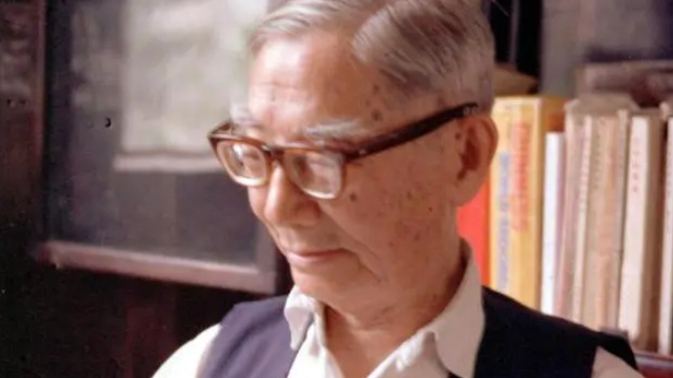
Mao Yisheng
茅以升
- 分类: 发明创造
- ID: 1864592220731801601
Home CategoryInvention and CreationMao YishengPlay5.5 minsMao Yisheng (1896-1989) was a pioneering civil engineer. Displaying strong aptitude in engineering and mathematics, Mao earned scholarships to study in the United States. He completed his Bachelor's in Civil Engineering at Cornell University in 1916 and a Master's at Carnegie Institute of Technology in 1917, becoming one of the first Chinese engineers educated abroad.ShareCatalogue1. Early Life and Education2. Career and Contributions3. Legacy and Recognition4. Personal Life and Philosophy5. Impact on Modern Engineering
Early Life and Education
Mao Yisheng was born on January 9, 1896, in Zhenjiang, Jiangsu province, China. As a child, Mao displayed a strong aptitude for engineering and mathematics, which eventually led him to pursue a career in civil engineering. His academic excellence earned him a scholarship to study abroad, and he became one of the first Chinese engineers to receive higher education in the United States. Mao attended Cornell University, where he completed his Bachelor's degree in Civil Engineering in 1916. He furthered his studies at the Carnegie Institute of Technology (now Carnegie Mellon University), where he earned a Master's degree in 1917.
Career and Contributions
Upon returning to China, Mao Yisheng embarked on a career that would establish him as one of the foremost figures in Chinese engineering. He was instrumental in developing modern bridge engineering in China, making significant contributions to the country's infrastructure during a period of rapid modernization. Mao's engineering philosophy emphasized the integration of Western techniques with traditional Chinese aesthetics, a principle that guided many of his projects.
One of Mao's most notable achievements was the design and construction of the Qiantang River Bridge in Hangzhou, Zhejiang province. Completed in 1937, it was the first double-decked bridge in China, carrying both a railway and a highway. During its construction, Mao faced considerable technical challenges, including dealing with strong tidal forces from the Qiantang River. His innovative solutions and leadership in overcoming these obstacles established the bridge as a landmark in Chinese engineering.
Another landmark project was the Wuhan Yangtze River Bridge, which became the first bridge to span the Yangtze River in Wuhan, Hubei province. Completed in 1957, this bridge symbolized China's engineering prowess and strategic importance in connecting the northern and southern regions of the country. Mao's work on the Wuhan Yangtze River Bridge further solidified his reputation as a pioneer in bridge engineering.
Legacy and Recognition
Mao Yisheng's contributions to Chinese engineering have been widely recognized both domestically and internationally. He played a pivotal role in establishing bridge engineering as a distinct discipline in China, and his work has served as a model for subsequent generations of engineers. Mao was a founding member of the Chinese Academy of Sciences and served as its vice president for several terms. His dedication to education and the advancement of engineering in China was evident in his efforts to train young engineers and promote engineering research and innovation.
Mao Yisheng's influence extended beyond his technical contributions. He was also known for his commitment to nurturing Chinese engineering talent. He established several engineering societies and associations, fostering collaboration and knowledge exchange among engineers in China and abroad. Through his leadership and advocacy, Mao helped elevate the standards of engineering practice in China and inspired future generations to pursue careers in engineering.
In recognition of his contributions, Mao Yisheng received numerous honors and awards, including the prestigious title of "National Model Worker." His legacy is commemorated through various institutions and awards named in his honor, including the Mao Yisheng Science and Technology Award, which recognizes outstanding achievements in engineering and technology.
Personal Life and Philosophy
Mao Yisheng was known for his humility, dedication, and patriotism. Despite his numerous accolades, he remained committed to serving the needs of his country and its people. Mao's engineering philosophy was deeply rooted in his belief that engineering should serve societal needs and improve the quality of life for all citizens. He often emphasized the importance of balancing technical innovation with social and environmental considerations, advocating for sustainable and culturally sensitive engineering practices.
Throughout his life, Mao Yisheng remained a lifelong learner, constantly seeking to expand his knowledge and understanding of engineering and its applications. His passion for education and research was evident in his extensive writings and publications, which contributed significantly to the body of knowledge in civil and structural engineering.
Impact on Modern Engineering
Mao Yisheng's work laid the foundation for modern infrastructure development in China. His projects not only solved immediate engineering challenges but also paved the way for future advancements in bridge design and construction. The principles and techniques he developed have been widely adopted in China and beyond, influencing the field of civil engineering on a global scale.
Mao's legacy is also reflected in the numerous professionals he mentored throughout his career. Many of his students and protégés went on to become leading figures in engineering, continuing his work and advancing the field in new directions. Mao's emphasis on education, innovation, and collaboration remains a guiding light for engineers today, highlighting the enduring impact of his life's work. Article reference1. Feast for the senses. chinadaily.com.cn. 2020Photo Gallery(1 picture)CategoriesInvention and CreationTagTechnological Invention and CreationRelatedSlender West LakeCatalogue1. Early Life and Education2. Career and Contributions3. Legacy and Recognition4. Personal Life and Philosophy5. Impact on Modern Engineering- - - []








